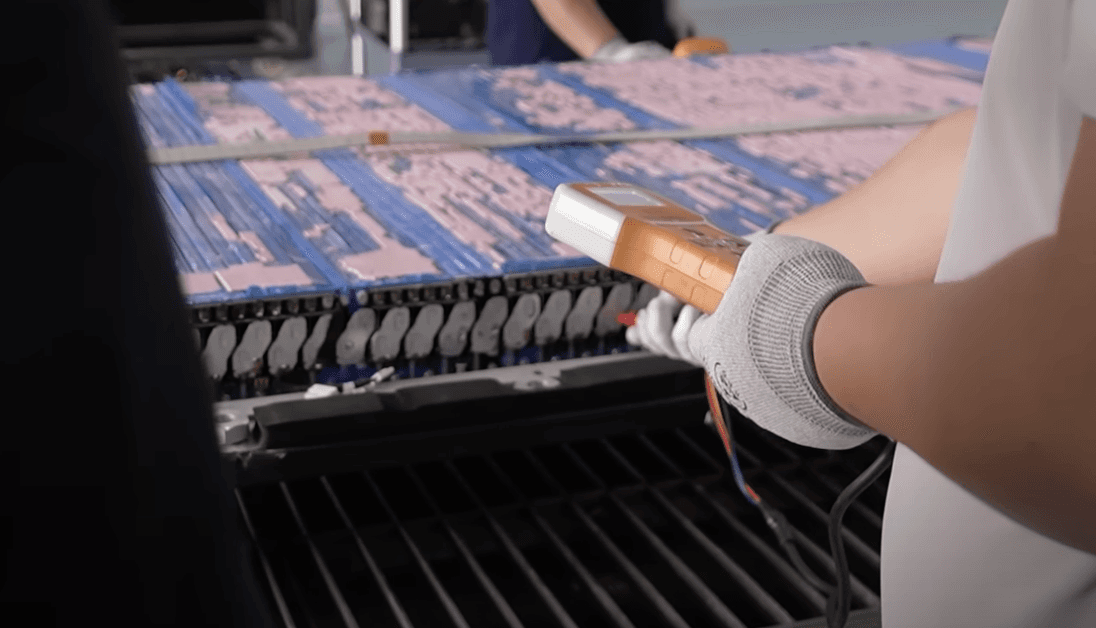
Second-life battery markets in Europe lag behind China by 5+ years. While UK operators debate technical feasibility, Chinese companies have already deployed over 2 million repurposed EV batteries into telecom infrastructure. This analysis breaks down four operational strategies Western battery reuse companies should adopt in 2025.
What Can We Learn from China's Second-Life Battery Market?
Did you know the world's largest user of second-life batteries is China Tower? Since 2018, they've stopped buying lead-acid batteries and now use standardised 48V LFP EV packs as backup power across 31 provinces — more than 2 million towers in total.
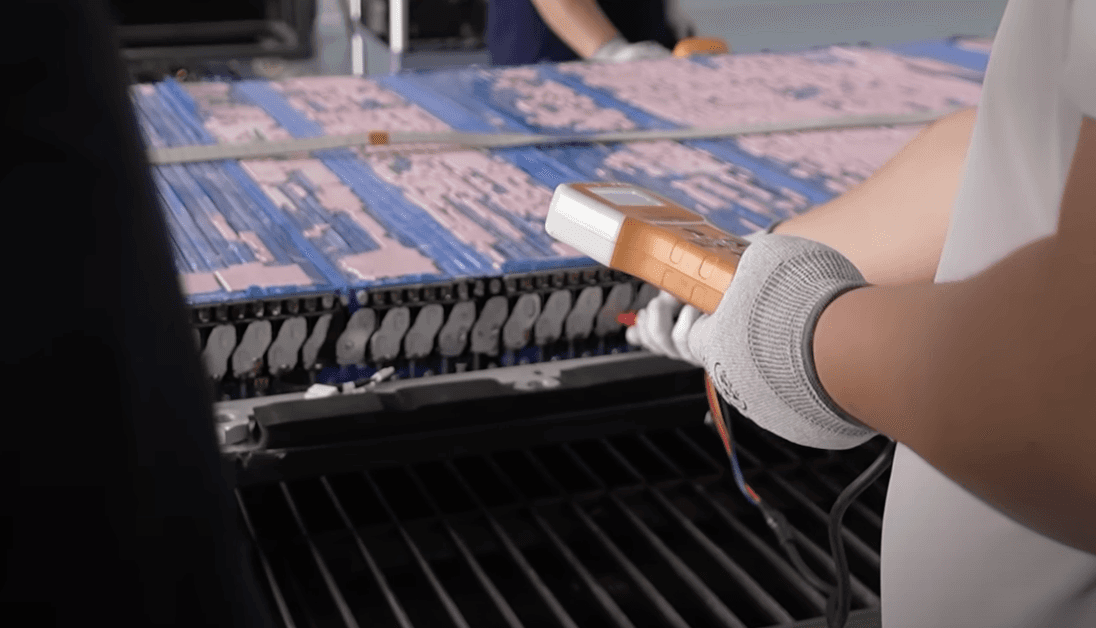
Having lived in China for three years, I've tried to keep up with how the ecosystem is maturing. I believe there's a lot Western companies can learn from the operators there. Here's what stands out from my research.
Lesson 1 — Start Small Before You Scale
In China, many reuse operators didn't begin with grid-scale ESS. They started with low-speed electric vehicles (e-bikes, scooters) and backup power supplies (telecom towers).
Why? Lower technical barriers. Power and safety requirements are less demanding, which enables companies to learn from real deployments and — crucially — generate an early revenue stream.
These "bread-and-butter" projects then provided the capital and operational knowledge to fund larger energy-storage ambitions later.
The lesson for Europe: Don't wait for the perfect large-scale project. Start with applications where the technical bar is manageable, build operational muscle, then move up the value chain.
Lesson 2 — Chemistry as a Practical End-of-Life Filter
Across China, operators increasingly treat chemistry as the primary filter for end-of-life routing. The rule of thumb isn't absolute, but it holds up consistently in practice:
| Chemistry | End-of-life route | Why |
|---|---|---|
| LFP | Reuse | Low recoverable metal value makes recycling unattractive; safety, stability, and predictable aging make it ideal for second-life |
| NMC / NCA | Recycling (earlier exit) | High recoverable cobalt/nickel value means recyclers profit even at decent SOH |
This creates a quiet norm: NMC/NCA exits to recycling earlier in its life, while LFP gets pushed further into reuse.
When NMC does enter reuse, operators apply stricter thresholds:
- State of Health >80% SOH
- Internal resistance <1.5× baseline
- Short warranties with close cycle monitoring
The lesson for Europe: Build chemistry into your acquisition and routing strategy from day one. LFP supply is growing fast as the first wave of LFP EVs retires — position accordingly.
Lesson 3 — Insurance as an Enabler, Not a Blocker
In Europe and the US, two of the biggest blockers for second-life ESS deployment are insurance and bankability. China tackled this head-on.
The government actively encouraged insurers to underwrite second-life battery projects, offering subsidies and low-interest loans for certified systems.
Typical policy coverage:
- Thermal incidents
- Third-party liability
- Warranty: "1–2 years or 1,000 cycles to 70% residual capacity"
This made second-life ESS attractive for cost-sensitive projects willing to tolerate modest performance risk — unlocking large deployment volumes that wouldn't have happened otherwise.
The lesson for Europe: The insurance gap is solvable. The Chinese model shows that government-backed underwriting frameworks — even modest ones — can unlock significant private deployment. This is a policy lever European markets haven't fully pulled yet.
Lesson 4 — The 20–60–80% Capacity Routing Framework
Several Chinese sources outline a practical capacity-based routing model that has emerged from years of operational experience:
| Remaining usable capacity | Optimal route |
|---|---|
| 60–80% | Pack-level reuse in ESS |
| 20–60% | Small applications — backup power, low-speed vehicles |
| <20% | Recycling — reuse feasibility falls off a cliff |
The 20% floor reflects the point where the weakest cell in a pack drops below ~20% SOH. Below this threshold, the pack becomes unreliable and dangerous to reuse in any application.
Investigations show that up to ~70% of retired batteries in China first pass through traders and small workshops, where the business model is built on ruthless cost-cutting and extracting every bit of residual value before material reaches formal recyclers.
The lesson for Europe: Having a clear capacity routing framework before batteries arrive is the difference between a scalable operation and one that drowns in per-unit engineering decisions.
The Supply Quality Problem
One thing that unites all four lessons: none of them work without reliable, verified supply.
The Chinese operators who scaled fastest were the ones who secured consistent pack types at known SOH — not the ones chasing the cheapest feedstock.
| Supply characteristic | Impact |
|---|---|
| Consistent pack types | Repeatable disassembly and testing workflows |
| Verified SOH on arrival | No surprise rejects eroding margin |
| Reliable volume | Justifies fixed-cost investment in tooling and processes |
| Chemistry clarity | Correct routing without per-batch decisions |
This is where ReBattery helps — verifying SOH thresholds before batteries enter reuse markets, and sourcing supply directly from suppliers with documented battery history.
The Bottom Line
China's second-life market didn't succeed because of superior technology. It succeeded because operators made pragmatic routing decisions, started with accessible applications, secured insurance frameworks that made projects bankable, and built supply chains around verified, consistent feedstock.
Europe has the EV retirement wave coming. The playbook already exists. The question is whether Western operators adopt it before the window closes.
Image source: France24